Jaeger-LeCoultre Reverso at 95: the polo watch that flipped over and nearly vanished
Born from a broken crystal on a polo field in India, the Reverso turns 95 in 2026. Here is how its swivelling case was invented, why it almost disappeared, and how 200 forgotten cases brought it back.
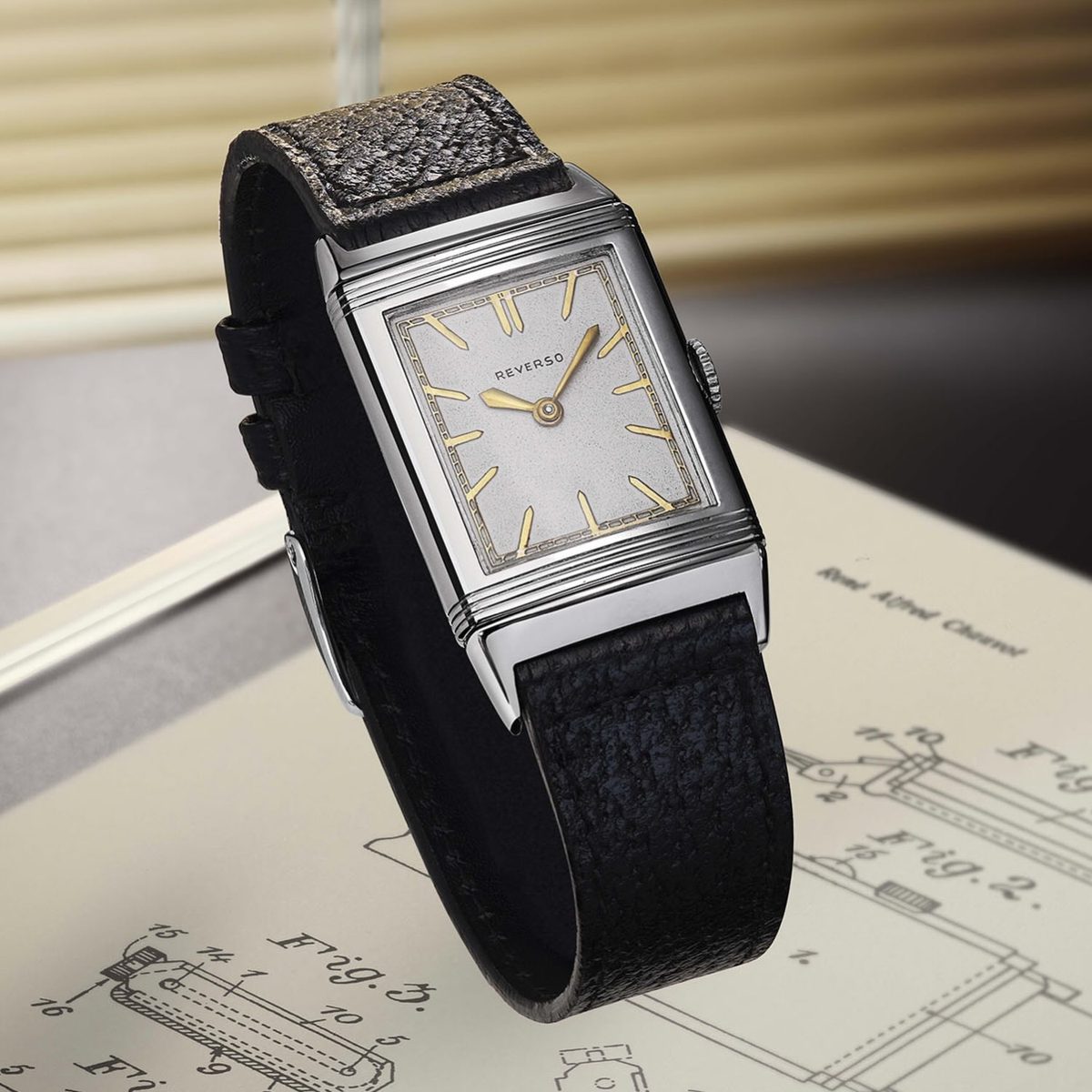
Very few watch icons were designed to solve a real problem. The Reverso was. In 1931 a case was patented that could slide out of its frame and flip over, so the glass faced the wrist and only steel faced the world. In 2026 that idea turns 95.
A broken crystal in India
The story Jaeger-LeCoultre tells starts in 1930. César de Trey, a Swiss businessman, was travelling in India and watched British army officers play polo. One of them had broken the glass of his watch during a match, and the officers challenged de Trey to find a watch that could survive the game.
De Trey took the problem to Jacques-David LeCoultre, of the LeCoultre manufacture in the Vallée de Joux. Through the Jaeger firm, they brought in René-Alfred Chauvot, a French engineer, to design the case.
It is a good story, and it is the brand's own. We found no independent record of the polo match itself, so read the details as the official version.
The patent and the first watches
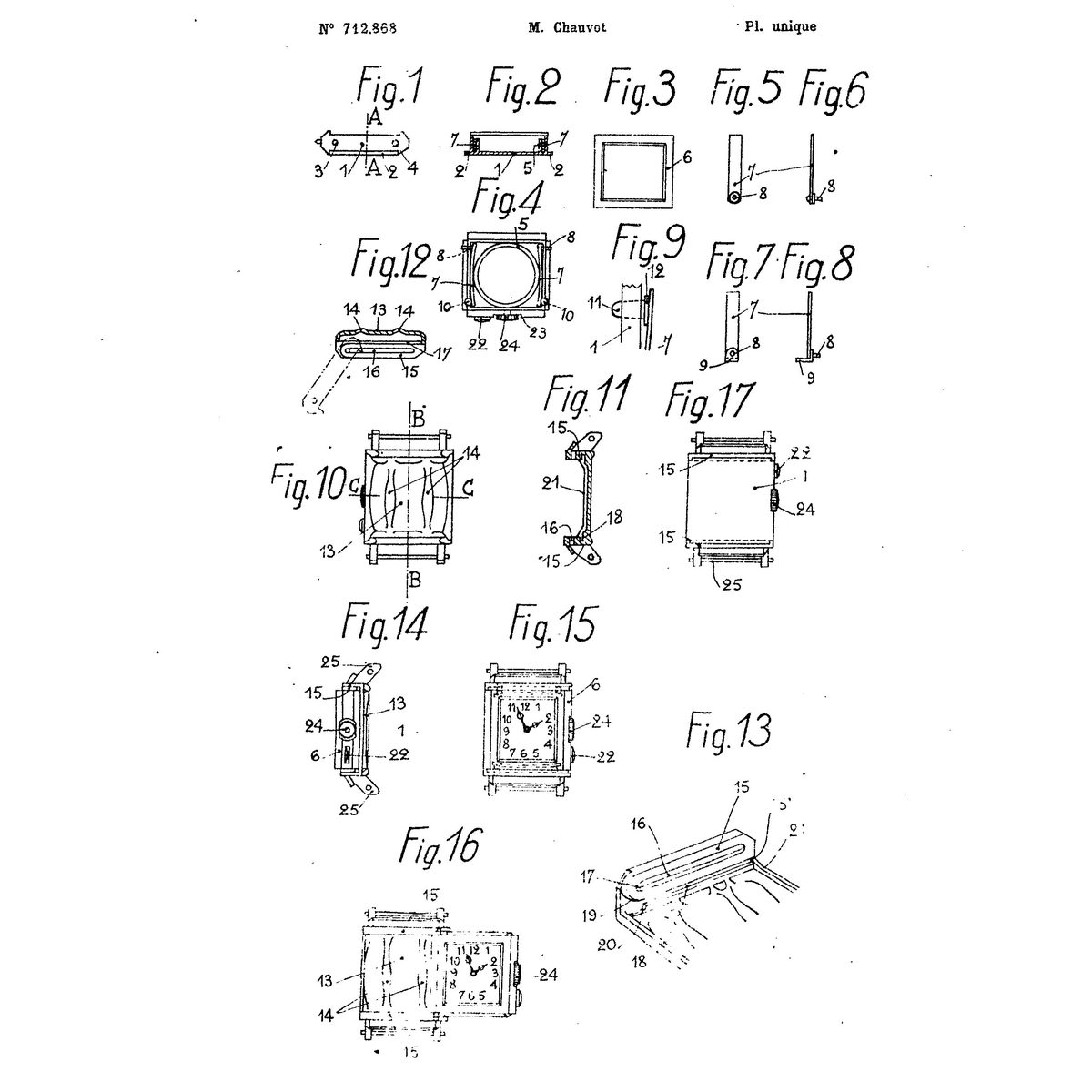
Chauvot filed his patent in Paris on 4 March 1931, for a watch that can slide in its support and be turned completely over. It was registered as number 712.868 and published that October. Later in 1931 de Trey bought the rights, the name Reverso, Latin for “I turn”, was registered in November, and de Trey and LeCoultre founded a company, Spécialités Horlogères, to sell it.
Jaeger-LeCoultre says the first Reversos were delivered in the winter of 1931. That is less than a year from patent to product.
Not the first reversible watch
The Reverso was not the first watch to turn over. Universal, today Universal Genève, made a reversible model called the Cabriolet. Here the sources disagree on the date. Monochrome says it came a few years before the Reverso, and an Antiquorum catalogue dates one example to around 1928. Universal Genève's own magazine, however, says the Cabriolet was first launched in 1933 as the Ideo, after the Reverso. We cannot settle it, so we will not say which came first.
What is clear is that the Reverso was the one that lasted.
Borrowed movements, borrowed cases
The early Reversos did not run on LeCoultre movements. Both the brand and Monochrome say the first ones used a calibre from Tavannes, while LeCoultre developed its own rectangular movement, the calibre 410, which arrived in 1933. The combined name Jaeger-LeCoultre was only adopted officially in 1937, according to Monochrome.
The case also travelled. Between December 1931 and April 1932, eight Reverso cases went to Patek Philippe, according to Revolution and SJX. Vacheron Constantin made a Reverso in 1933 under licence: an auction catalogue from Monaco Legend, citing the brand's archives, says only five of that reference were made and that a royalty of 60 francs was paid per watch. The same catalogue lists Cartier among the other makers allowed to use the patent.
The quiet decades
After the Second World War, taste moved to round watches and the Reverso faded. The end date depends on whom you ask: Monochrome and Hodinkee Japan say production stopped in 1948, while Jaeger-LeCoultre's own press material says the 1960s.
Two hundred forgotten cases
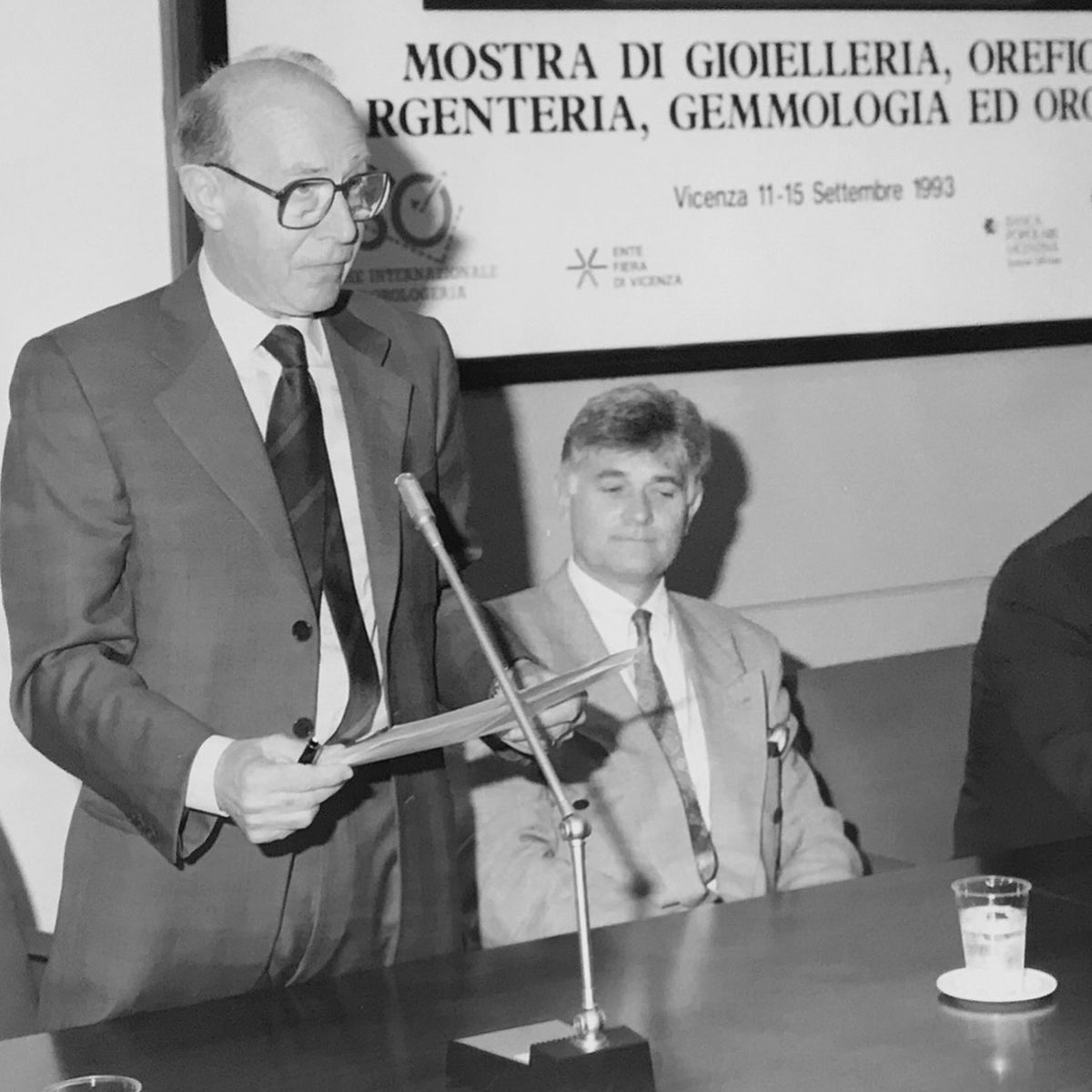
The rescue came from Italy. In 1972 Giorgio Corvo, the brand's distributor there, visited the manufacture in Le Sentier and found about 200 unused Reverso cases in steel. His watchmakers made a holder so a small oval calibre 840 could fit inside, and the watches were assembled.
They sold quickly. Accounts range from one month (SJX) to two or three months, the figure Hodinkee Japan gives from Corvo's grandson Jacopo. Jaeger-LeCoultre dates the official revival of the Reverso to 1975.
The Reverso today
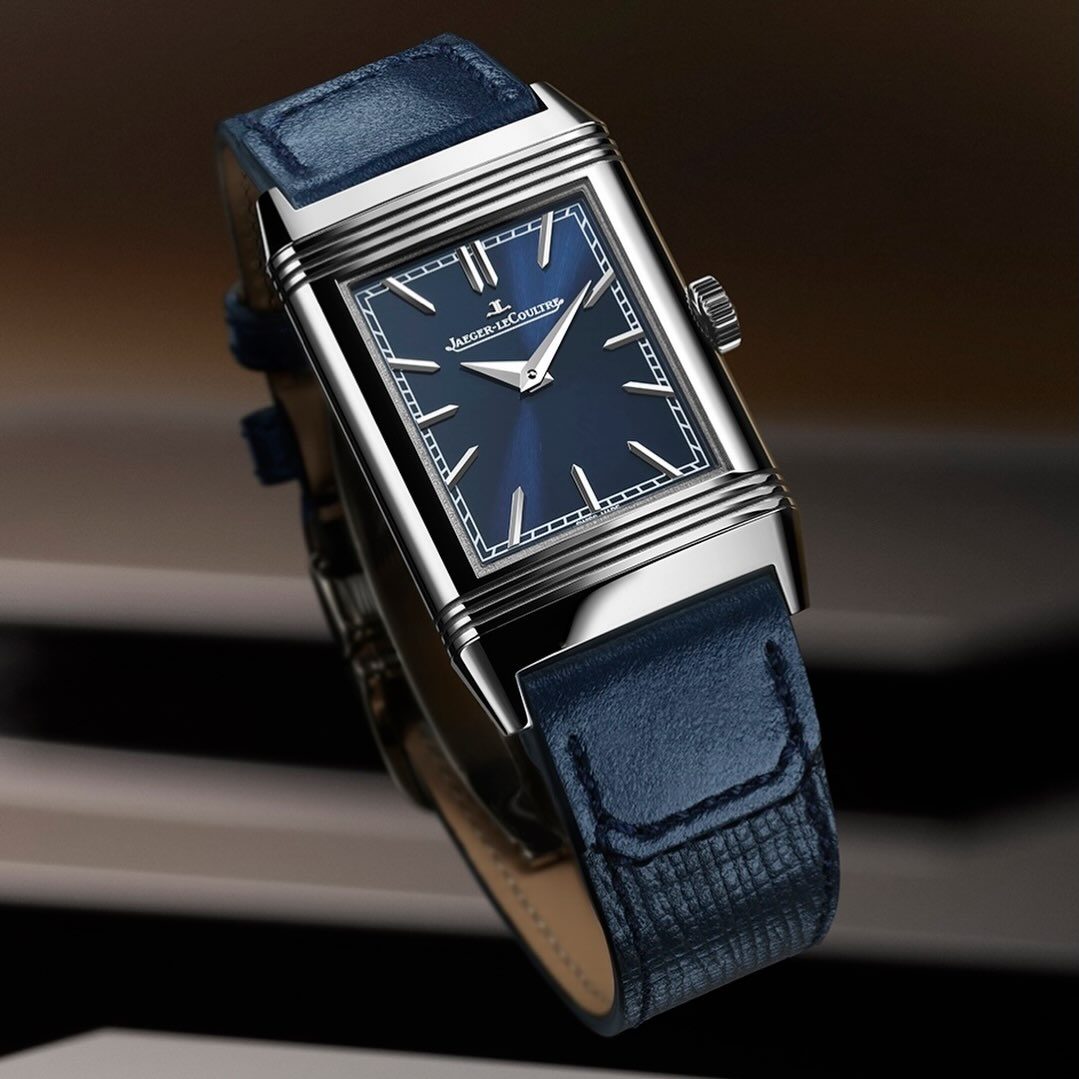
The case was redesigned in the 1980s, and since then the back has been used for engravings, enamel and, from 1994, a second dial: the Duoface. Today the range is split mainly into Reverso Tribute, close to the 1931 look, Reverso Classic and Reverso One.
On Jaeger-LeCoultre's European site, as shown in November 2026, the Reverso Tribute Monoface Small Seconds in steel, 45.6 by 27.4 mm, is listed at 12,100 euros, and the Tribute Duoface Small Seconds in steel at 15,700 euros. Prices vary by country.
Our take
The Reverso is often filed as a dress watch. Its origin says otherwise: it was a piece of protective engineering, and the solution became the design. The steel back meant to take hits turned into the space for initials, portraits and, eventually, a second dial.
The history also has gaps worth admitting. The polo story comes from the brand, the date of the Universal Cabriolet is disputed, and even the year production stopped is not agreed. What is solid is the patent of March 1931, and a distributor who saw value in 200 old cases when nobody else did.
Sources
Every fact in this article comes from the sources below. Spotted a mistake? Tell us on Instagram.
- Jaeger-LeCoultre: The Genesis of Reverso (press) (opens in a new tab)
- Jaeger-LeCoultre: The 1931 Polo Club (press) (opens in a new tab)
- Monochrome Watches: In-Depth: The History of the Almost Century-Old Jaeger-LeCoultre Reverso (opens in a new tab)
- SJX Watches: The Story of the World’s Most Famous Reversible Watch (opens in a new tab)
- Revolution: Jaeger-LeCoultre Reverso: The Story of an Icon (opens in a new tab)
- Hodinkee Japan: The Reverso That Revived the Jaeger-LeCoultre Reverso (opens in a new tab)
- Monaco Legend Auctions: The Reverso by Vacheron Constantin (opens in a new tab)
- Antiquorum: Universal Cabriolet Reverso, steel (lot 112, May 2018) (opens in a new tab)
- Universal Genève: The Cabriolet, a reversible work of art (opens in a new tab)
- Jaeger-LeCoultre: Reverso watches (collection page, European site) (opens in a new tab)